New Album Release Fridays: Trentemøller – ‘All Too Soon’

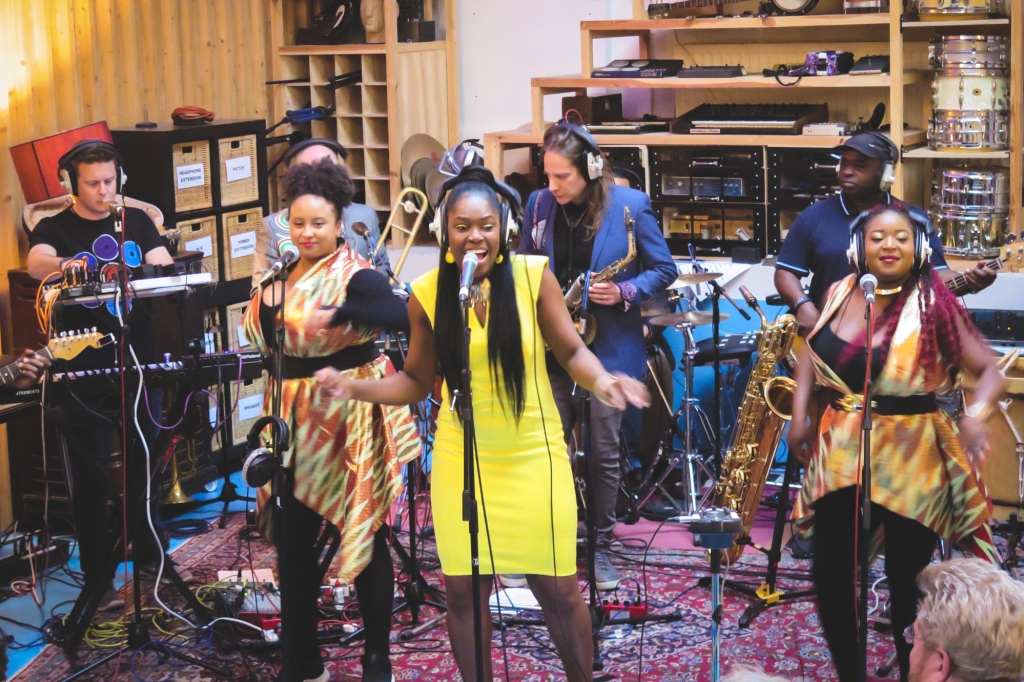
Good Morning to you! This is Jacob Braybrooke, and it’s time to get through the last few hours of your tiresome working week with the aid of yet another daily track of the blog of the ‘New Album Release Fridays’ variety, given how it has always been my day-to-day pleasure to write up about a different piece of new music every day! One of today’s most eventful album releases comes from Trentemoller, a Danish film score creator, producer and multi-instrumentalist from Copenhagen, Denmark who has released lush compositions of a cinematic style for over 20 years now by drawing on elements such as Minimalism, Glitch, Dark Wave, Downtempo, Instrumental Hip-Hop, Synthwave, Post-Rock and more with productions that feel eerie and progressive for his grounded discography. Trentemoller started making music in the 90’s as a part of different Indie Rock projects and he has since founded his own label – In My Room Records. He also headlined the Orange Stage at Roskilde Festival in 2009 with a set designed by his close friend and touring drummer Henrik Vibskov, a night that saw him playing in front of 60,000 people with innovative visuals to captivate them. Today, he is releasing his sixth full-length studio album – ‘Memoria’ – via his own label. This is the follow-up LP to 2019’s ‘Obverse’, a record that was nominated for IMPALA’s European Independent Album Of The Year award of that same year and it also saw him collaborate with Warpaint’s Jenny Lee Linberg and Slowdive’s Rachel Goswell. For one of his latest singles – ‘All Too Soon’ – he has reached out to his own girlfriend Lisbet Fritze for a glistening series of radiant backing vocals. Let’s give it a spin below.

Taking us through the narrative behind ‘All Too Soon’ on his own Bandcamp page, Trentemoller says, “All Too Soon examines ostensibly diametric relationships of light and dark, life and death, day and night, love and hate, while actually presenting them as dualistic, and symbiotic, influencing each other as they interrelate. What might appear to be a dispiriting take on our mortality could just as easily be interpreted as its acceptance being liberating”, in his own description. Beginning with a light acoustic guitar strum that becomes more intense and darkens the atmosphere before Fritze’s mysterious vocals kick in, who croons pained lyrics like “Have you ever fallen in/Into an inner void?” and “Do you feel like I do? Abandoned from it all” with an enigmatic presence, with a Trip Hop-influenced soundscape that morphs into a more glitched and distorted picture frame of a piece as the four minute duration of the track takes its time. Trentemoller complements the scattering Shoegaze opus of the chorus – with regretful lyrics like “We can’t live forever/If we could, we would” being sprawled all below percussive feedback stabs by Fritze – with sumptuous melodies of melancholic Drums and antagonized trails of reverb. Together, it makes up for an ethereal combination of psychedelic Dream Rock and textured Progressive Pop with a few vague lyrics like “Is a growing darkness/All you see?” creating a platform of intrigue. Through the means of collaborating with his girlfriend, Trentemoller toys with the idea of connections, with lyrics like “Is it day or night/Is it love or hate/Is it anything between?” that contrast each other and his instrumental work employs some warm percussion that counteracts the more cold, dry tones of the guitar and drums. Overall, ‘All Too Soon’ is a detailed and well-informed exploration of items that are bound together, yet they are opposite and he soundtracks these relations with his pivoting instrumentation and his emotive yet guarded lyricism that doesn’t reveal much in terms of laying out a direct meaning, with an underlayer of Pop that ensures that light is appropriately clashing with darkness throughout his soundscape.

That leaves me with nothing left to say other than to thank you for time and wish you well on your way to the weekend. ‘Scuzz Sundays’ will return in two days time for the usual throwback to the ‘trashy teen’ era of our lives, but I’ve also got some new music to share with you tomorrow that comes from an Indie Rock duo from the Isle Of Wight who have been all played over BBC Radio 1 and BBC Radio 6 Music since their debut single – ‘Chaise Lounge’ – went viral last year. They are shortlisted for BBC’s ‘Sound Of 2022’ poll and they began touring in the US in December as they keep finding success.

Connect with One Track At A Time:
Facebookhttps://www.facebook.com/OneTrackAtATime/

Twitter: https://twitter.com/OneTrackAtATim1?fbclid=IwAR2demHDssZESnHDMi6gzTGNZJvdS42Ot930CA9Rttw7n4CJ5nvB8VJbWxE

New Album Release Fridays: Hembree (feat. Bodye) – ‘Operators’

Good Afternoon to you! This is Jacob Braybrooke, and it’s time for us to take a quick peek at one of the weekend’s most compelling album releases for yet another weekly entry of ‘New Album Release Fridays’ on the blog, given that it’s always my day-to-day pleasure to write up about a different piece of music every day! With new LP’s coming out from the likes of Black Country, New Road (Whose frontman Isaac Wood has just decided to leave the band), Mitski, The Animal Collective, Bastille, Cate Le Bon, Rolo Tomassi and Hippo Campus coming from left, right, front and center of the release spectrum today, it looks to be the first truly stacked week of the year from where I’m standing. However, there is also the sophomore album release from Hembree, a Kansas-based indie rock band whose music has been featured in a variety of ad sync placements for Bose, NFL and Apple ever since they gained national attention in the US with ‘Holy Water’ in 2018. Since then, Hembree have supported higher profile names like Phoenix, Cold War Kids, Joywave and Vance Joy on the live touring circuit. You may have also heard their material on the soundtracks of ’13 Reasons Why’ and ‘Outer Banks’ on streaming television. ‘It’s A Dream’ arrives today from Hembree, who were named one of NPR’s Slingshot Artists To Watch in 2018, and the band describe the LP as a record about getting freaky even while you’re freaking out, a quotable sentiment that is relatable to everyone who was left down in the doldrums while the album was written during the pandemic in 2020. A Funk-led single, ‘Operators’ owes a featured credit to Bodye. The band were also joined on a Saxophone section by Henry Solomon, who has previously linked up with Haim. Let’s hear their final results below.

Lead vocalist Isaac Flynn explains, “I wrote it right when all of the protests started in the summer, and the chorus in particular is about when the officers, national guard and even some of the city officials would act like they were with the protesters in solidarity, and then turn around and gas and attack them”, when he spoke about ‘Operators’ in a press release, adding, “They were acting like they were there to help, but it was all for show. It all felt almost cartoonishly villainous to me. I wanted to reflect that in the lyrics and in the dark, dance heavy groove of the song”, to his press statement. Starting off with the headstrong lyric of “Maybe, this time we’ll open our eyes”, ‘Operators’ quickly establishes itself as a track that is directly about 2020, which is fitting given how it was written in Hembree’s hometown in Missouri and recorded remotely from home studios during lockdown. It rolls along with a chirping Saxophone-led groove that is decorated by light percussion that ticks along at a brisk pace, while overtly political lyrics like “What do they want and who are they trying to please” emerge in the chorus. The drums kick along in the uptempo verses, although lyrics like “Overcalculated villains/They’re tying up, What everyone wants” and “Sundown to sunrise, we see the antithesis” find Flynn crooning with a subtle brutality that carries the point across. The rhythms come to life with the Baritone-style saxophone riffs by Solomon, while a more Hip-Hop led verse by Bodye continues to add some variety to the recording in terms of mixing the Funk influences with some Post-Disco vibes and making the lyrics feel as violent or aggressive as they should, given the subject matter of the songwriting. Overall, it’s pretty fantastic as a complete package. The chorus feels punchy and upbeat, but the verses have a tone of brutality to them which make them stand out among more light-hearted Pop offerings. The instrumentation sounds fresh and diverse, yet the Saxophone riffs are constant but not tedious. It feels like a mature pop song overall that offers something fresh to the market, with the lyrical messages about duplicitous law enforcement agents never feeling at odds with the brisk, snappy rhythms of the saxophone and the percussion since the instrumentation has a heavy edge to it as well. Full of violence and vibrancy.

That brings us to the bottom of the page for another day, and I’ve got to go to work now. Thank you, as always, for taking a moment out of your day to visit the site, however. I’ll be back tomorrow, just like I always am, with something nice and easy since it is Saturday. We’ll be listening to the brand new single from a rock band from Oxford in the UK who have toured internationally for a decade. They told us ‘What Went Down’ in 2015 and had a UK #1 album with ‘Everything Not Saved Will Be Lost – Part 2’ in late 2019. They also performed a surprise set at Glastonbury Festival in 2019.

Connect with One Track At A Time:

Facebookhttps://www.facebook.com/OneTrackAtATime/

Twitter: https://twitter.com/OneTrackAtATim1?fbclid=IwAR2demHDssZESnHDMi6gzTGNZJvdS42Ot930CA9Rttw7n4CJ5nvB8VJbWxE

Today’s Track: Abiodun Oyewole – ‘Harlem’

Good Morning to you! You are reading the words of Jacob Braybrooke, and it’s time for me to whisk you away to an idyllic setting with yet another daily track on the blog, since it’s always my day-to-day pleasure to write up about a different piece of music every day! Known to many of his followers as ‘Harlem’s Last Poet’, Abiodun Oyewole played a crucial part in the pioneering stages of early Hip-Hop as one of the founding members of late-60’s group The Last Poets, a Spoken Word group that were widely considered to be the first Hip-Hop act. Jason Ankeny, a critic for AllMusic, once wrote that “With their politically charged raps, taut rhythms and dedication to raising African-American consciousness, The Last Poets almost single-handedly laid the groundwork for the emergence of Hip-Hop” in an essay. Oyewole’s renowned career traces back to one day in 1968 when he read poetry in Harlem’s Mount Morris Park with David Nelson and Gylan Kain in honor of Malcolm X’s birthday. The wordsmith has set a new full-length album for a release date titled ‘Gratitude’, which you can find in local record shops from February 4th via the Fire Records label. Having released essays like ‘The Beauty Of Being – A Collection Of Fables, Short Stories & Essays’ and published books like ‘Branches Of The Tree Of Life’ through the years, Oyewole gets reflective for the new full-length album with politically charged singles like ‘Harlem’, where he simply expresses his sincere appreciation for his beloved home town and all the people that touched his life from there. Let’s take a dream detour with him below.

Oyewole says, “You gotta realize, Harlem was the place I wanted. It was like a desire, a dream. I was raised in Queens, New York. I would see Harlem every Sunday of my life because we went to church in Harlem. The energy of Harlem was exciting, electric”, in a recent interview about the brand new album with Pat Thomas, adding, “Harlem was where everything was going to happen. When we set up our home base in Harlem, I spent all my time in Harlem, I got an apartment in Harlem – Harlem became everything to me”, when he talked about The Last Poets’ uprising there. Starting off with a triumphant call for the track’s title neighborhood near Manhattan, Oyewole croons poetically-driven refrains like “Harlem is the black spirit, pulsating in the air” as an energetic sample flutters in the background that contains plenty of glistening Keyboard riffs and chopped Drum loops, as Oyewole establishes a near-seven minute groove that offers a slick sequence of twinkling Synths and some processed Drum beats that give the traditional Hip-Hop style an uplifting flair. Lyrically, Oyewole muses poetically on the memorable stories that have given him a feel of pride and nostalgia about his time there. Stories about boxing matches featuring Sugar Ray Leonard, shopping on the 125th, hanging out at the Jazzmobile with his friends and shout-outs to eating soul food at Sylvia’s are all memorable waxings throughout his beat-driven salute to the area. The backing singers are a lovely addition, too, with female vocalists crooning lyrics like “Harlem is a place where you can go, Harlem is a place of real soul” that provide more variety to the thought-provoking Spoken Word sections. They meditatively coo hooks like “Harlem, sweet Harlem’ continuously as Oyewole balances his low-pitched voice between poetic declaration and half-sung speech with his narration-based commentary through his love-letter to his beloved community. While the projects made by The Last Poets were a bit angrier in building ramps for later Hip-Hop artists to launch their stories from, Oyewole’s new solo work cements him as more of the ‘old wise man’ type where he takes a spiritual journey through his personal legacy, and this plays with convention in many refreshing ways. Given that the physical copies of the new record includes an extensive interview with the man himself about how the album was written, we’re certain to hear more witty anecdotes of his life there as well as thoughtful commentary on his experiences of gaining his knowledge. A careful love-letter to simply living amongst your community.

That’s all for now! Thank you for giving me your attention for a few moments today, and I’ll be back to revisit some of the seminal sounds from the past with a new entry of ‘Way Back Wednesdays’ tomorrow. This week’s post also ties into new releases in one way, as the featured band have recently released a 20th Anniversary edition of one of their most critically-acclaimed albums. The band’s name comes from a track written by Neil Innes and Vivian Stanshell to be performed by their group ‘The Bonzo Dog Doo-Dah Band’ for film productions like The Beatles’ film ‘Magical Mystery Tour’.

Connect with One Track At A Time:

Facebookhttps://www.facebook.com/OneTrackAtATime/

Twitter: https://twitter.com/OneTrackAtATim1?fbclid=IwAR2demHDssZESnHDMi6gzTGNZJvdS42Ot930CA9Rttw7n4CJ5nvB8VJbWxE

Way Back Wednesdays: War – ‘Why Can’t We Be Friends?’

Good Morning to you! This is Jacob Braybrooke, of course, and the time has come to revisit one of the seminal sounds from the past as ‘Way Back Wednesdays’ headlines yet another daily track on the blog, not forgetting that it’s always been my day-to-day pleasure to write up about a different piece of music every day! A band who transcended cultural and racial barriers with a diverse multi-ethnic line-up, War were scoring top ten hits on the US Billboard charts long before my mother was changing my nappies (and just about when my grandmother was changing her’s) as the Funk band from Long Beach, California continued to find success through the 1970’s and 1980’s. Known for exploring elements of Funk, Rhythm & Blues, Latin music, Reggae, Psychedelia and early Prog-Rock music genres, War were called “one of the fiercest progressive Soul combos of the 70’s” by Martin C. Strong. Their 1973 album – ‘The World Is A Ghetto’ – was also Billboard’s best-selling album of that year. Although Leroy “Lonnie” Jordan is the only original member who remains in War’s current line-up, their energy has been sustained by The Lowrider Band that was formed between four of the other members in the 1990’s. Their seventh studio album – ‘Why Can’t We Be Friends’ – is sadly not their most well-remembered today, but the title track has been used in film and TV productions like ‘The Simpsons’, ‘Bridge To Terabithia’ and ‘Wild Things’ to notable results. It was also a top ten hit in the US, where it reached #6 on the Billboard Hot 100 in the summer of 1975. War wrote the track after a fight broke out at a festival they were playing in Japan, and so they turned it into a clever tale conflating post break-up reconciliation with a really humanitarian plea for racial harmony that is ultimately a call to quell post-Watergate paranoia. Today’s post also ties into recent releases, as War released a ‘Greatest Hits 2.0’ compilation featuring the song as recently as November 2021. Check out the remastered music video below.

The title track of the album that it also closes, in a unique choice of placement, ‘Why Can’t We Be Friends’ also made history as a track that earned the distinction of being played in outer space as NASA beamed it to the linking of Soviet cosmonauts and U.S. astronauts for the Apollo-Soyuz Test Project in July 1975. It kicks off immediately with the chorus, as bright Brass punctuation combines with a jaunty lead vocal that comes off as a little rakish in delivery to form an infectious chorus of steady, but celebratory in texture, drum hooks and a contagious Reggae beat that forms a catchy groove. The lyrics, like “I’ve seen you round for a long long time, I remembered you when you drank my wine” are full of overtly political calls for peace and unity. Hooks like “I paid my money to the welfare line, I see you standing in it every time” are also rooted in economic equality, while short sequences like “The colour of your skin don’t matter to me, As long as we can live in harmony” are urgent calls for a sense of racial integration, while the soulful delivery of the track’s title hook in the chorus poses, what would have been, the question of the decade. I feel the song’s structure is unique in how various members of the group trade short verses between each other in the chorus, but the layout is still simple as the main hook of “Why can’t we be friends?” is proudly sung four times after each two-line verse, which actually amounts to over forty times in under four minutes, which is an intriguing fact in itself. Although it touches upon significant racial themes, it is very feel-good and light-hearted as a complete package, boasting some punchy Reggae-driven melodies that form non-confrontational arrangements. The vocals have a swift air of ‘unpolished’ to them and the groove is a little sloppy around the edges, but somehow, these technical flaws come across like a part of the point being made by War in the lyrics. There’s a hearty stew of Jazz, Funk and Latin music to the track and although some underdeveloped musical ideas rear their heads a tad, the main groove is still very uplifting and the sentiments of the lyrics are still valid, as well as coming across as before their time in terms of the songwriting themes. A track that displays a laudable devotion to unify the different ethnic minorities of the world, during the 70’s and beyond, ‘Why Can’t We Be Friends’ used tried-and-tested Funk rhythms to get a poignant message across.

That brings us to the end of the post of the day. Thank you for accepting my friendship by reading your daily post today, and I will be back tomorrow to shine a spotlight on some soulful new music from a Minneapolis-based and Chicago-raised Alternative R&B singer-songwriter of Venezuelan and Guatemalan heritage who has worked with producers like Sen Morimoto and Luke Titus. She is signed to City Slang.

Connect with One Track At A Time:

Facebookhttps://www.facebook.com/OneTrackAtATime/

Twitter: https://twitter.com/OneTrackAtATim1?fbclid=IwAR2demHDssZESnHDMi6gzTGNZJvdS42Ot930CA9Rttw7n4CJ5nvB8VJbWxE

Today’s Track: The Halluci Nation (feat. Chippewa Travellers) – ‘It’s Over’

Good Morning to you! You are tuned into the text of Jacob Braybrooke, as we ready ourselves for yet another daily track on the blog, since it’s always been my day-to-day pleasure to write up about a different piece of music every day! Music you may have missed from last year headlines the page today, and it comes your way from an Ottawa-based Canadian experimental electronic dance music duo known for blending Ethnotronica, Moombahton, Reggae and the ‘Brostep’ term of post 2000’s Dubstep with elements of First Nations music, particularly known for their vocal chanting and high-speed drumming – and their name is The Halluci Nation. It wasn’t always that way, however, as the band used to be titled A Tribe Called RED, a homage to the legendary Hip-Hop group A Tribe Called Quest. Last year, however, they decided to scrap their old alias in light of “as we move into this next phase of our evolution, we also find it necessary to remember our past”, in their own words. Now a duo comprised of Tim Hill and Ethren Thomas, their name is a phrase borrowed from activist/artist John Trundell to “describe the vast global community of people who remember at their core what it means to be human”, in Trundell’s quote. The group describe their own style of music as a “Stadium Pow-Wow” sound, which is a style of contemporary club music for urban First Nations (A society of Canadian indigenous people who are classified distinctly from the Metis and Inuit groups). My first experience with The Halluci Nation was hearing their stellar third album, ‘We Are The Halluci Nation’, released in 2016. The follow-up, ‘One More Saturday Night’, was self-released last July, which finds the duo collaborating with the likes of Black Bear, The Beat and Northern Voice – some of which they have frequently recorded material with before. The band’s latest album pays tribute to the Electric Pow-Wow gatherings at Ontario’s Babylon nightclub the group ran between 2007 and 2017. Hear more about their change of identity below and skip to 1:05 to hear the new track ‘It’s Over’ below.

“We wanted to pay homage to the Electric Pow Wow and wrap that whole decade of the experience up and close the cycle, and in doing so give direct co-ordinates of where the future was headed. In a nutshell, that’s what this album is about”, says co-founder Ehren “Bear Witness” Thomas in a press release, explaining, “We just wanted to make a party record, as well, one that people could dance to while still having the strong message we are known for”, about the planning and recording behind the record. Going for a more psychedelic take on their older material, Hill and Thomas combine stretched samples of vocal chants performed by Chippewa Travellers with EDM-inflicted Dubstep to explore the memories of the club nights that brought their Canadian community of indigenous people together back in the 2000’s, but the ferocious pace of the brisk Drums also imply a regret concerning the abrupt disbandment of the Babylon nightclub’s scenes. Some fragmented Synth effects are sprinkled throughout the song that evokes the vibrant nostalgia and anti-colonialism surrounding the club nights. Meanwhile, the driving melodies of the instrumentation are there to remind you that it is a positive dance record, as their signature style of moulding Septia-toned vocals from Chippewa Travellers together with visceral drum and bass melodies that set things into motion with a commanding Bassline, while the trickling Trap snares and the some declarative EDM drums that gradually incorporate reverb-drenched Dub and righteous vocal chants into the equation. ‘It’s Over’ suffers from repetition a little, but it does a fantastic job of spreading the message that forms the emotive core of the album that breathes new life into a memory or dream that settler colonialism and its extractive violence have attempted to erase, and ‘It’s Over’ provides a club-heavy but contemplative moment that gives the affirmations and goals of The Halluci Nation a reasonable amount of space to take root, as the band continue to cement themselves as one that needs to exist to serve the social purpose.

I have previously shined a small spotlight on The Halluci Nation before their rebranding, with a detailed post about another track that aims to get more indigenous people represented in the media. Find out more about ‘The OG’ here: https://onetrackatatime.home.blog/2020/01/13/todays-track-a-tribe-called-red-feat-black-bear-the-og/

That’s everything I’ve got lined up for you today! I’m still working on my year-end Albums list of 2021 and it is coming soon. In the meantime, thanks for checking out my latest post, and I’ll be back tomorrow to get you re-acquainted with a Grammy-nominated Texas-born Jazz artist and a Houston trio who host the ‘AirKhruang’ radio show on Facebook Live and NTS Radio. They will be releasing a direct sequel to their earlier collaborative EP ‘Texas Sun’ on 18th February through the Dead Oceans label.

Connect with One Track At A Time:

Facebookhttps://www.facebook.com/OneTrackAtATime/

Twitter: https://twitter.com/OneTrackAtATim1?fbclid=IwAR2demHDssZESnHDMi6gzTGNZJvdS42Ot930CA9Rttw7n4CJ5nvB8VJbWxE

Today’s Track: NoSo – ‘Suburbia’

Good Afternoon to you! This is Jacob Braybrooke, and it’s time for me to introduce you to some music that I wish I had gotten around to writing about sooner, because it has always been my day-to-day pleasure to write up about a different piece of music every day! As we approach mid-December, the time has come for me to tell you about some music that I discovered earlier in the year that still deserves some praise on the blog. ‘Suburbia’ is certainly one of them, a melodic Art Pop track created by the Asian-American indie/alternative singer songwriter Abby Hwong – who releases her music under the alias of ‘No/So’ – who has recently signed to Partisan Records. She was also a finalist of NPR’s Tiny Desk Contest in 2019 with her intimate and acoustic track ‘Abbie’. The 24-year-old musician says that she writes “from the perspective of a queer Asian-American navigating through different environments and relationships, and the confusion, pain and beauty that arises from it” in her music, citing everyone from Ben Howard and Blood Orange to Bruce Springsteen and 90’s K-Pop as her influences. Hwong also graduated from USC’s music department with fellow alumni including Remi Wolf, King Princess, MUNA and Jensen McRae. Even her name of ‘No/So’ is a nod to her Korean roots and the question of “What Korea are you from?” that she says many Americans have been said to ask people of her ethnicity. She is also aware of the lack of representation for her heritage across the entertainment industry, saying, “Growing up, I didn’t see many people who looked like me in music and TV and that was disheartening; I was worried the experiences I had were too uncomfortable and niche” in a very important interview with The Line Of Best Fit. Although now based in Los Angeles, Hwong grew up in the suburban outskirts of Chicago that the popular 2004 comedy drama film ‘Mean Girls’ was based upon, and ‘Suburbia’ – released back in September – reflects upon this upbringing. The Chantel Simpson-directed music video for the single was also inspired by a photograph of an 8-year-old Hwong dressed up for Halloween. ‘Suburbia’ is a diverse track that really cements her voice as one that needs hearing from her upcoming album. Give it a spin.

‘Suburbia’ is a personal and vulnerable document of the narrow-minded nature of a one-dimensional environment that Hwong grew up in, and she notes, “I was a very weird kid growing up because the environment was predominantly white and hetereonormative. I stood out like a sore thumb, even though I deeply wanted to conform”, in her conversation with The Line Of Best Fit. Regarding her sexuality, No/So also tells them, “Throughout middle school and early high school, I was teased for being Asian and Queer (even though I was closeted). I was called ‘lesbian’ as a slur, girls asked me out as a joke etc, it was heinous”, in the article. Thankfully, Hwong turned to writing music during her formative years with a keen interest in playing the guitar. Part indie rock ballad and part melodic Synth Pop diary entry, Hwong tries to accept the hardships of her past while holding on to the nostalgic times with her friends. She uses lyrics like “Rich kids and boutique drugs/And I miss you like it’s enough” to call back to the innocence of youth with her tongue slightly in her cheek. Small anecdotes like “We sit outside the pharmacy/Eating golden Oreo’s” recall the small but profound moments of her teenage years that you never quite register until you move forward in time. She also discusses the absurdities and the norms of her suburban life with lyrics about mum’s gossiping about their teenage children and the other laughing stock of those seasons. Her instrumentation is radiant and eminently listenable, with a hazy and spacious vibe coming off the back of some slacker rock guitar melodies. The different layers build quite slowly, but the tone is blissful and the vocals seem poetic throughout. Combining her unique experiences of growing up in a different environment that wasn’t immediately accessible to her with some quips about the indignities of reaching your adulthood after two decades of suburban life, ‘Suburbia’ feels like a well-proportioned slice of Desert Rock charm that features a rousing chorus and feels like a better fit for the title of the track than the Pet Shop Boys’ chart-topping recording of the same name from the late-80’s. Gorgeous vocals set against well-rounded production with a catchy chorus – ‘Suburbia’ feels essential.

That’s all for now! Thank you for supporting the blog and favoring independent creatives like No/So, and I’ll be back tomorrow to mark the return of one of our recurring favourites on the blog as we continue the ‘Countdown To Christmas’ as the festive season rolls along like a reindeer strapped up to a sleigh. The artist is a 90’s Alternative icon with several Grammy Award wins and nominations to his name. ‘Odelay’ and ‘Sea Change’ were both ranked on Rolling Stone’s list of the 500 Greatest Albums Of All-Time and he co-created the amusing credits song for The LEGO Movie 2.

Connect with One Track At A Time:

Facebookhttps://www.facebook.com/OneTrackAtATime/

Twitter: https://twitter.com/OneTrackAtATim1?fbclid=IwAR2demHDssZESnHDMi6gzTGNZJvdS42Ot930CA9Rttw7n4CJ5nvB8VJbWxE

Today’s Track: Ibibio Sound Machine – ‘Electricity’

Good Morning to you! I am Jacob Braybrooke, and the time has come for me to take you through yet another eclectic variety of sounds with yet another daily track on the blog, because it has always been my day-to-day pleasure to write up about a different piece of music every day! Led by Eno Williams, Ibibio Sound Machine are a ten-piece Afro Jazz collective that she formed with producers Benji Bouton, Leon Brichard and Max Grunhard in 2013 with their idea of combining the unique vocals of the Ibibio language that she used to speak whilst growing up in Nigeria with both traditional West African and more modern electronic music elements. Although currently based in London, Williams sings her lyrics in both English and the Nigerian tongue of Ibibio, and the group are known for taking their musical inspirations from the golden ages of West African Funk and Dance music, modern Post-Rock and Electro-Pop music. Since forming, the band have been interested in creating music which fuses elements of 1990’s Drum & Bass and 1980’s Afrobeat. The band also notably performed at KEXP’s ‘International Clash Day’ event in January 2019, and they have since linked up with Merge Records to issue 2017’s ‘Uyai’ and 2019’s ‘Doko Mien’ for release, with their self-titled debut album being released on Soundway Records in 2014. Their latest single, ‘Electricity’, was premiered by Lauren Laverne during her breakfast show on BBC Radio 6 Music a pair of weeks ago, and it was recorded in Hot Chip’s studio. The group will also be embarking on a UK tour next March and April, including dates in Bath, Birmingham, Worthing, Newcastle, Manchester, London and Leeds. Let’s give it a spin.

Giving her insight into the direction of the new single ‘Electricity’, frontwoman Eno Williams says, “This one started out as an idea to mix Afrobeat with Giorgio Moroder-style synth vibes”, explaining, “The end section with Alfred’s korogo (Ghanian 2-stringed Folk guitar) solo was already there when we got into the studio, but then we added the big kick drum that happens underneath and Owen from Hot Chip’s crazy drum machine percussion at the end, which gave it a futuristic Afro feel when mixed with the more talking drum parts”, in her press statement. More or less doing my job for me with the press release, ‘Electricity’ is lyrically exploring the connection between different people and the power resource. The instrumentation leans towards an 80’s Synth Pop style, with a buoyant bassline and some tight drum melodies undercut by some more grounded, progressive Synth loops courtesy of the drum machine sequences. The pace builds gradually, starting off with mid-tempo beats and purely Synth-based rhythms before introducing a decent amount of variety with sparse Saxophone melodies and short Horn sections towards the middle. A big crescendo of danceable Synth riffs and more cerebral Jazz production creates a burst of energy in the third fourth of the track, before a longer instrumental section of ritualistic chants and quick, extravagant Horn scatterings rounds off the track before we get a final repeat of the chorus. It brings a somewhat new element to the chorus, where Williams talks about love and speaking from the heart as the simple answer to life’s complexities. An uplifting track with a slightly rougher edge that reminds me of Soccer 96’s ethereal Prog-Jazz production during brief intervals, ‘Electricity’ is a single that is lyrically radiant and evidently listenable. A focused and charming return.

That’s all for now! Thank you for reading my latest post, and it is ‘New Album Release Fridays’ tomorrow, meaning that I’ll be guiding you through one of the weekend’s most notable new album releases. This week’s pick gives you a taste of the new posthumous album by a cult favourite Alabama-born singer-songwriter who sadly left us in March. Encompassing a variety of styles including Blues, Rockabilly and Country – you may know him for opening on-tour for The Hives and The White Stripes in 2007.

Connect with One Track At A Time:

Facebookhttps://www.facebook.com/OneTrackAtATime/

Twitter: https://twitter.com/OneTrackAtATim1?fbclid=IwAR2demHDssZESnHDMi6gzTGNZJvdS42Ot930CA9Rttw7n4CJ5nvB8VJbWxE

Today’s Track: Nightmares On Wax (feat. OSHUN) – “Breathe In”

Good Morning to you! I’m Jacob Braybrooke, and it’s time to indulge your senses into yet another daily track on the blog, because it’s always my day-to-day pleasure to write up about a different piece of music every day! ‘Shout Out! To Freedom’ is the latest LP to come from the legendary Leeds-born and Ibiza-based electronic Trip Hop producer Nightmares On Wax – the now solo project of George Evelyn that used to be a trio with Kevin Harper and John Halnon up until the early 90’s – who has scored multiple crossover hits like ’70’s/80’s’, ‘Aftermath’, ‘Finer’, ‘Know My Name’ and ‘I’m For Real’ in the UK Singles Charts. He is the longest serving signee to the iconic forward-thinking experimental label Warp Records, and the critical acclaim of classic albums such as 2006’s ‘In A Space Outta Sound’, 1995’s ‘Smokers Delight’ and 2008’s ‘Thought So’ have led to his projects being highly anticipated among electronic music fans as some of the genre’s most important offerings. Sadly, he became more like ‘Nightmares No Vax’ in some Twitter posts leading up to the marketing machine of the new record, but, luckily, none of these controversial opinions have really cropped up on-record or became too preachy, and he opted to explore the general themes of freedom and meditation on his new album, and so it’s quite nice to see that he’s supporting freedom of speech without bringing any harm to others, and I could see his perspective as a creative coming from a non-white background. ‘Shout Out To Freedom’ has instead been released to pretty positive reviews, and it features a solid guest list of names including Greentea Peng, King Shabaka Hutchings of The Comet Is Coming fame, Mara TK, Pip Millett, Haile Supreme and others – each of which have been asked by Hill to collaborate on songs exploring what freedom means to them. The only single taken from the record with a music video attached is ‘Breathe In’, a mid-album track which includes vocals from the NYC duo OSHUN. Check it out below.

“I feel like I’ve been set free of something and I am now becoming who I really am”, says Evelyn of Nightmares On Wax fame, adding, “I’ve been gigging non-stop for 10 years, and that experience has been beautiful but it also drained me emotionally. As a creative, you’re always questioning everything. So, having the time and the space has meant that I could do a proper deep dive into this stuff. So it was all about this journey of going back to myself, and realizing being at home with my wife and my daughter that I’ve not really been here properly. It’s like I’ve just woken back up to what I actually have – and it’s already here”, when writing all about his new album – ‘Shout Out! To Freedom’. ‘Breathe In’ still contains the influences of Curtis Mayfield and Quincy Jones that have all shaped his typical concoction of Funk, Soul, Jazz, Downtempo Electronica, Dub and Techno that have kept his project alive for many decades and have characterized his sound, while putting a more modern spin on these styles predominantly within the lyrics, which discuss the simple act of staying off your phone and meditating instead. ‘Breathe In’ takes a slinky and psychedelic groove, embedded with the lyrical themes of nature and mindfulness, and Evelyn arranges some 90’s Trip Hop beats and a playful 90’s ploy on old-fashioned Dancehall melodies that have a weightlessness and an airy sense of production to them, mixing nicely with the deep and spiritual vocals from OSHUN that echo Dub all over the track. Some interesting String samples and subtle Keyboard loops make up the rest of the instrumentation, and there seems to be a lush 70’s Black Exploitation vibe to things where the usual elements of Jazz, Funk and Soul come together from Hill, some genres that he’s well known for exploring. A mix of darker Piano chords and punchier beats differentiate this track from some of his familiar 90’s and 00’s chilled out House offerings, and the more spacious parts of the vocals build to some longer harmonies and some sustained notes in the latter half of the track. While there aren’t any lyrics that specifically stick out to me, it seems like a variety of ideas are being conveyed through the balance of Urban and Nature that OSHUN evoked here. Overall, ‘Breathe In’ was a track which I enjoyed from the new album, which really strikes me as a good headphones-in-bed type of listening experience. While not as essential as other recent Warp Records efforts from the likes of Yves Tumor or Jockstrap, due to some of the melodies feeling as though they meander along a little bit, I still have a pretty positive perception of it. I like how it manages to not quite sound like any other track that I have heard from Evelyn to date, as the tribalistic drum loops and the psychedelic Soul feel manage to sound interesting. Whereas most of his tracks gives me a warm and comforting feel inside, this one feels more urgent in taking action, which is different to the way that most of his other singles make me feel. While there’s a general sense of positivity, it seems slightly more alarming. A great-sounding return.

That’s all for now and thank you for continuing to support the site. ‘Scuzz Sundays’ is set for tomorrow, and we’ll be focusing our attention to an English rock band who got their big break in 2006 when their Platinum certified debut album won the ‘Indie Album Of The Year’ gong at the 2006 PLUG Awards and each member of the band have continued to work on their own solo side projects in more recent times. Whilst together, the London band have sold over three million albums worldwide as of 2012.

Connect with One Track At A Time:

Facebookhttps://www.facebook.com/OneTrackAtATime/

Twitter: https://twitter.com/OneTrackAtATim1?fbclid=IwAR2demHDssZESnHDMi6gzTGNZJvdS42Ot930CA9Rttw7n4CJ5nvB8VJbWxE

Way Back Wednesdays: Jimmy Cliff – ‘The Harder They Come’

Good Afternoon to you! This is Jacob Braybrooke, and you’ve come to the right place for a seminal selection of my weekly ‘Way Back Wednesday’ series of classic appraisals, because it’s always been my day-to-day pleasure to write up about a different piece of music every day! Even the most casual audiences of music would have heard some material from Jamaican Ska and Rocksteady multi-instrumentalist, producer, actor and composer Jimmy Cliff before, since he composed iconic tracks like ‘Hakuna Matata’ and ‘Reggae Night’ that have been etched deeply into popular culture. Also known for hits like ‘You Can Get It If You Really Want’ and his cover version of Johnny Nash’s ‘I Can See Clearly Now’ that was used in Disney’s classic ‘Cool Runnings’ film about the first ever Bobsleigh team from Jamaica to enter the Olympic games, Cliff is a crucial component in popularizing genres such as Reggae and Alternative Soul across the world. One of five performers inducted into the ‘Rock and Roll Hall Of Fame’ in 2010, the St. James-born vocalist is the only living reggae musician to hold the Jamaican government’s Order Of Merit, the highest honour that can be granted for his services to performing arts and sciences. ‘The Harder They Come’, the soundtrack album and its titular lead single from the Perry Henzel-directed motion picture of the same name released in 1972, is widely considered to be one of Cliff’s greatest releases. The record peaked at #140 on the US Billboard 200, and, in 2021, the album was deemed to be “culturally, historically or aesthetically significant” by the Library Of Congress and so it has been selected for preservation in the National Recording Registry. Let’s remind ourselves of the iconic title track below.

Voted as the 73rd greatest album of all time by Entertainment Weekly’s editors in July 2013, the soundtrack was a true celebration of Reggae globalization with prominent guest spots from 60’s Jamaican Rocksteady icons like Desmond Dekker, The Maytals and The Melodians. Speaking of the hit title track, Jimmy Cliff recalled in an interview conducted for the Wall Street Journal in 2013, saying, “The lyrics came from my past. I grew up in the church and had always questioned what they were telling me. Like the promise of a Pie in the sky when you die”, elaborating, “I wanted the song to have a church feel and to reflect the environment I grew up in – the underdog fighting all kinds of trickery”, in the text. Like some other songs on the album, ‘The Harder They Come’ appears twice, paralleling both the movie’s core themes and the autobiographical essence of Cliff’s career. It’s placement during the middle of the album gives it an entirely different feel than when it appears as the uplifting, positive closer, and this works well as it is sandwiched between the nostalgic sweetness of The Maytals’ guest track and just prior to the more alarmed warnings of ‘Johnny Too Bad’ shortly afterwards. Following a simple story of a character who is proving his naysayers wrong and overcoming the odds stacked against him, Cliff recites motivational lyrics like “As sure as the sun will shine/I’m gonna get my sure now, what’s mine” and “Between the day you’re born and when you die/They never seem to hear your cry” and acknowledges realistic expectations in sequences like “I keep on fighting for the things I want/Though I know that when you’re dead you can’t” that bring his ambitions to earth at brief intervals. The second verse is a standout, and the vocals emphasize the power of religion and ignoring bad influence upon your personality from the people who doubt your potential. The track still manages to stand out nicely in this modern time by feeling relatively grounded yet still upbeat and cheerful, boasting some optimistic lyrics that don’t shy away from recognizing fault in setting unrealistic targets for yourself. There are a few shades of Calypso, Tropicalia and Belefonte in the Gospel-leaning sounds of the recording, where a collective sequence of backing vocals from a choir lends some assistance to the cinematic atmosphere of the single’s filmic roots. The percussion has some smooth, breezily flowing instrumentation and the inherent excitement of the key Soulful harmonies gets a positive message across. In conclusion, ‘The Harder They Come’ is a down-to-earth, but nonetheless still interesting, Reggae classic that still works well in the present day. The odd Organ chords and the gently quickening Reggae beats are great at supporting Cliff’s optimistic lyrics about his life, but the bleaker moments never feel glossed or sugar-coated over too much. A solid, universal Ska crossover hit.

That brings us to the end of yet another daily post on the blog! Thank you for your support, and I’ll be back tomorrow to review a relaxing, new and entirely Ambient Electronica project from an English-born experimental electronic music producer who has contributed to albums for Brian Eno and Coldplay in his career so far, and he has appeared twice on the blog in different capacities before. His new album, ‘Music For Psychedelic Therapy’, shall finally be releasing on Domino Records next weekend.

Connect with One Track At A Time:

Facebookhttps://www.facebook.com/OneTrackAtATime/

Twitter: https://twitter.com/OneTrackAtATim1?fbclid=IwAR2demHDssZESnHDMi6gzTGNZJvdS42Ot930CA9Rttw7n4CJ5nvB8VJbWxE

Today’s Track: Bardo Martinez – “Patterns Of Being”

Good Morning to you! It’s Jacob Braybrooke here, and I’m reaching out to you on the day that ‘Super Monkey Ball: Banana Mania’ gets released for yet another daily track on the blog, because it is always my day-to-day pleasure to write up about a different piece of music every day! A week earlier to this day, we took an in-depth look at the new solo LP record – ‘South Sinner Street’ – from Marlowe’s Solemn Brigham, one half of one of my favourite Hip-Hop acts in recent times. This week, we are adapting that formula for Bardo Martinez, who is the frontman of the Latin American Prog-Rock outfit Chicano Batman, who have also garnered praise on the blog beforehand. The band have always drawn from a mix of genres including Psych-Soul, Neo-Rock, Funk and Indie music, which the 4-piece have taken to the stages of the Coachella Valley Music & Arts Festival and Ruido Fest over the course of the past few years. This July, Bardo quietly released ‘Everywhere Reminds Me Of Space’ on his own label Yemayá Sol Records – a self-produced little collection of 11 tracks that have allowed him to experiment more freely with some of the solo material which he has been compiling together for a few years on his own, with the global state of the Covid-19 lockdowns giving him ample time to explore his early Hip-Hop influences with a heavily beat-focused approach. One of the singles that Bardo finally had a decent amount of time to finally nurture was ‘Patterns Of Being’, the lead single from the album. Bardo began writing the lyrics and the chords for the track in 2015, before he recorded the music in 2019 and he got around to finishing it last year. Give the psychedelic trip a spin below.

Bardo aimed to dip into the same bold originality that makes Chicano Batman work so effectively for the vibrant, rhythmic-driven release, and he told GrimyGoods.com in an interview about the album, “With this record, I wanted to showcase the beats and spoken word cinematic vision quests along with some tunes I had stashed away in the vault”, adding up to his notes, “A little Casio keyboard, a Maestro Echoplex, and my monophonic Synths were tracked all over the record in order to keep it together. Many artists delve into the ether with existential quandaries about life, love and nature, I am no exception”, in his press statement. ‘Patterns Of Being’ wouldn’t have sounded out of place on 2020’s ‘Invisible People’ with his comrades from Chicano Batman, with Bardo reciting eccentric lyrics about self-gratitude and acceptance with a touch of gently philosophical musing. Catchy refrains like “Everybody’s everything and everything is everybody” and “We’re like lava pouring on the floor/Anything just comes out to its core” feel sharp and tease some conceptual thinking about humanity running parallel to geographical nature. The chorus focuses more squarely on the rhythmic delivery, as Bardo sings “Every time you’ve lost your mind/You’ve always managed to remember those/Patterns of being that makes you you” in a lush and free-form tone. The instrumentation feels deliberately playful too and even child-like at points. The Casio keys are joyous and tinny, while the Synth melodies feel harsh and wonky at times. This technique gives the track its sonic, psychedelic identity that isn’t a far cry from the engaging material that he produces with Chicano Batman. The wah-wah guitars and the extra electronic keys add some more upbeat beats and soft distortion which are influenced by his love of soul-oriented rap music. On the whole, ‘Patterns Of Being’ is dead good, and it reminds me of how leading musicians of wider bands sometimes flourish from having a solo platform to experiment more freely, with Box Car Racer and Iggy Pop standing out as key examples of this. It sounds like Chicano Batman in some aspects, but it has more of a DIY and an intimate feel to it subsequently. A dizzying array of sounds that seem out of this world, while grounded.

That’s all that I’ve got for today – but we will be taking a break from the recent music recommendations for a new entry in our ‘Way Back Wednesdays’ library tomorrow. This week’s pick is a celebration of an iconic 1982 Hip-Hop track that became known as one of the genre’s first outings to be written about the poverty of inner city living, thus introducing the ideas of social commentary to conscious Hip-Hop music, written as a stark response to the 1980 New York City transit strike, as mentioned in the lyrics.

Connect with One Track At A Time:

Facebookhttps://www.facebook.com/OneTrackAtATime/

Twitter: https://twitter.com/OneTrackAtATim1?fbclid=IwAR2demHDssZESnHDMi6gzTGNZJvdS42Ot930CA9Rttw7n4CJ5nvB8VJbWxE