Scuzz Sundays: Rancid – “Ruby Soho”

A butcher stocking Rancid sausages will just go from Bad to Wurst. It’s Scuzz Sunday!

Good Morning – My name is Jacob Braybrooke and, as per usual, it’s time for me to get typing up for a new ‘Scuzz Sundays’ post where we enjoy a throwback to the Pop-Punk staples of the past, in the name of the defunct Scuzz TV rock music video channel. One notable name from the era was Rancid, the Berkeley-born goth Ska-Punkers who – over the course of their 30 year career, have always remained active as an Independent band, instead choosing to stick to their underground Metal roots. The band have released nine studio albums since then, and recorded sales of up to four million units worldwide. Their third – ‘…And Out Come The Wolves’ – was released in 1995, at a time when several major record labels wanted to capitalise on their potential following the success of similar groups like The Offspring and Less Than Jake, and a few labels proceeded to have a bidding war for them. Naturally, Rancid turned around and said ‘No’ – deciding to stick at home with independent label Epitath Records instead. The record featured several stylistic callbacks to vocalist Tim Armstrong and bassist Matt Freeman’s time in Operation Ivy, and every single got to the US Modern Rock Tracks chart. Let’s revisit the popular single, ‘Ruby Soho’, below.

‘Ruby Soho’ uses a sample of The Stingers 1971 track ‘Give Me Power’, and it’s been rewarded with cover versions from Vampire Weekend, The Dollyrats, Phish’s Mike Gordon and Rie Tanaka. Still active, Rancid have confirmed that they are now working on a follow-up record to 2017’s ‘Trouble Maker’ album, which is tentatively penciled in for a release in late 2021 or early 2022. Beginning with a somber viewpoint of lyrics sung from a man sitting alone while a party rages on next door, his imagery sounds like it should be conjuring up an eerie atmosphere, but the rhythms are filled with a percussive set of guitar licks and an undercurrent of Reggae or Roots-Rock that counteracts the angsty youth context to which the words have been written. The Punk Rock elements explode in on the chorus mark, where Armstrong sings “Destination unknown, Ruby Soho” with a repeating hook, while the verses seem to have a sense of isolation to them, as lines like “Her lover’s in the distance as she wipes a tear from her eye” and “Ruby’s fading out, She disappears, It’s time to say goodbye” almost skew a narrative thread. The vocals are backed up with a call-and-response format being used by the backing band, with an upbeat variation of the chorus that adds a more feel-good, sing-a-long feel into the picture. The experience being described in the songwriting is about observing the world from your apartment, and the opening lines of “Echoes of Reggae, Comin’ through my bedroom wall” and “Havin’ a party next door, but I’m sitting here all along” make the setting sound bleak and downbeat. The guitar work does not sacrifice intensity for this sense of playful diversity, though, as the melodic sounds make for a Dub instrumental that sounds relatively fun to listen to. I think it’s fair to say the abilities of the singing was rather limited here, however, and the balancing of the tones in the Pop-Punk ballad and the subversive Reggae undertones just about works. There’s some jangle and some cut-off issues here and there, but it never made me want to turn off. Overall, I think it’s quite flawed, but there are some fun hooks and intriguing rhythms that I enjoyed hearing here, and I admire how the band didn’t compromise on their creative sphere for the interests of a major record label, who probably wanted to make them the next big thing. Instead, we get a playful ballad where not everything sticks, but there’s a decent amount of freedom and experimentation in here. This is not something that I’d go out of my way to hear again, but I think that it’s pro’s barely edge the con’s and it’s decent in the end.

That tolls the bell for another week – but it’s back to the regular routine tomorrow. I’ve got loads of important new recommended music to share with you over the next week or so, and we’re going to be starting off with an emerging name from the Los Angeles dance music scene. Originally from London, you might know this DJ and Graphic Designer from his production work on two of Frank Ocean’s albums, and his frequent collaborations with rappers like JPEGMafia, Retro X and Freddie Gibbs. If you really liked what you just read, why not follow the blog to get notified when every new daily post is up and why not like the Facebook page here?: https://www.facebook.com/OneTrackAtATime/

Way Back Wednesdays: Nas – “It Ain’t Hard To Tell”

I wanted to post a pun about Sodium – but Na(‘s), you won’t get it. Let’s go Way Back!

Good Evening to you – Jacob Braybrooke here, it has been a busy one with doing my deadlines for my university projects, but I have just about got enough time to deliver your daily track on the blog, because it’s always my day-to-day pleasure to write up about a different piece of music every day! I’m not sure whether we really tend to look at enough Hip-Hop music on here, and so we’re going to take a refreshing flashback to the release of ‘Illmatic’, the classic debut album from the East Coast rap pioneer Nas, which was released back in 1994. To this day, Nas has received seven Platinum certifications for his albums in the US and now serves as the head honcho of the Mass Appeal Records label and the associate publisher of Mass Appeal magazine. After he’s received thirteen Grammy nominations for each of his thirteen main album releases, his latest, ‘King’s Disease’, finally won him the award for “Best Hip Hop Album” – a shocking statistic when considering his socio-economic impact on popular culture. ‘Illmatic’ is often regarded as one of the all-time best of the US Hip Hop genre, with the album cover depicting Nas at just aged seven – and has been inducted into the Library Of Congress for preservation just this year too, for records they consider being “culturally, historically, or aesthetically significant”, despite relatively low sales at first. Let’s remind ourselves of the closing track and single ‘It Ain’t Hard To Tell’ below.

Nas originally recorded a demo tape for ‘It Ain’t Hard To Tell’ in 1991 that he sent to Columbia Records – He gave it an alternate title of ‘Nas Will Prevail’ and this version was roughly 90 seconds later, with a more Jazz-oriented beat and a longer pair of verses with different lyrics. The tune was later styled as a ‘Hardcore Hip-Hop’ release, however, with samples of Michael Jackson’s ‘Human Nature’ and tracks by Kool & The Gang and Stanley Clarke driving the beats forward, paving the way for a #91 spot on the US Billboard Hot 100 Chart. The samples make for fitting choices, with vocals that touch upon dreaming with no limits for ambition and the idea that ‘the sky is the limit’ as Nas smoothly raps lines like “‘Cause in my physical, I can express through song/Delete stress like Mortrin, then extend strong” and “My poetry’s deep, I never fell/Nas raps should be locked in a cell, it ain’t hard to tell” with a fast-paced delivery, but the backing beats are kept nicely mid-tempo to evoke a smooth feeling. If you listen very closely, there’s also delicate string sections in the background of Nas spitting his wordplay, keeping the instrumentation diverse and accentuating the Horn and Trumpet melodies for a crisper rhythm. The vocals simply make the rapping feel as if we’re intruding on Nas coming to his final form in a sense, with emotive qualities and intimate themes that he gently embraces. The main samples work very well, selling a triumphant mood that gives the track a little more depth than it’s feel-good and very motivational overtones may suggest. Overall, it still manages to sound fresh and feel memorable because it largely feels like Nas to an unmistakable extent. It’s expressive, as Nas lets himself off the leash and leaves you wanting a bit more since it doesn’t drag on very much at all – not to a confrontational extent – but to the point where the scope feels suitably big. It was a moment that I’d also argue that Nas never truly followed up on, and it’s quite important to remind ourselves that we should appreciate Nas while he’s still around us because he has the talent and integrity, as an artist, that deserves the crossover success that he has achieved. Blissful and Brilliant.

If you’re a fan of Nas, or you would like to get up to speed on his latest material, then feel free to go in “Ultra Black” on my previous blog post concerning him here: https://onetrackatatime.home.blog/2020/10/14/todays-track-nas-feat-hit-boy-ultra-black/

That’s all for today – Please join me again tomorrow as we take a flash forward to the present with an in-depth look at a sampler track from the new album to be released by a Northern Irish female electronic music producer who combines classical scoring and vintage sound design with the latest Synthesizer hardware, and has scored for multiple film, television, theatre and dance projects – including the ‘Game Of Thrones: The Last Watch’ documentary. If you really liked what you just read, why not follow the blog to get notified when every new daily post is up and why not like the Facebook page here?: https://www.facebook.com/OneTrackAtATime/

Way Back Wednesdays: Manic Street Preachers – “Crucifix Kiss”

If you tolerate this – then your children will be next. On that note – Let’s go Way Back!

Let’s take another trip in the Way Back machine to flash back to one of the seminal sounds of the past that, in this case, has influenced the works of the present. I am Jacob Braybrooke – and it’s my day-to-day pleasure to write up about a different piece of music every day! Cornerstones of the 1990’s Welsh Cool Cymru cultural movement, Blackwood-bred Alternative Rock band Manic Street Preachers (or ‘The Manics’) have truly branched out of the roots of their hometown to wider musical culture, with three instances of reaching the top of the UK Singles or UK Albums Charts, and robust record sales of up to ten million units worldwide, as of 2016. They have also headlined festivals including Glastonbury, T In The Park and Reading & Leeds, as well as further success at the MTV Awards and BRIT Awards since their inception in 1986. ‘Crucifix Kiss’ sees The Manics at their most visceral and blistering, a track which almost made the cut for my Easter-themed spread of posts a short while back. The target of the track’s bile is religion, and Christianity, making it a shout for an ‘Alternative’ Easter section. It was never released as a single, but it was still a popular track that you’ll find on 1992’s ‘Generation Terrorists’, their debut album released via Columbia Records, also a top 60 hit in Japan. Let’s catch an early performance below.

The recording process of ‘Crucifix Kiss’ saw the band recording each instrument separately, rather than playing it as a live band, and then adding the overdubs later on. The development of 1992’s ‘Generation Terrorists’ took place over a long period of 23 weeks at Blackbarn Studios near Guildford, with the main bulk of the drum sections on the record being incorporated on a drum machine, as per producer Steve Brown’s decision, who programmed the sequences with Sean Moore, the band’s drummer. This elaborate set-up finally resulted in a record that met the hype of it’s significant media attention, on it’s way to a Gold certification of sales in the UK. The cult status of ‘Crucifix Kiss’ was a factor in this, as discordant guitar sequences and a fast-paced vocal delivery retain the old-school Rock ‘N’ Roll appeal of the record in it’s original release. An opening narration sample from Patrick Jones leads to aggressive lyrics like “Make povery your perfect home/Allow your leaders to control you/Questions are nor blasphemy” and “Now we’ll take your number for a name/Soak mind control in christening water out of jail” make social commentary on the Church Of England and the distinctions between management of businesses and the running of the religion establishment. The chorus sees angular bass guitar riffs mesh with the repeating lines of “Fall in love, Fall in love with me” and “Nail a crucifix onto your soul” beneath the substance. Although the lyrics would be controversial, it makes the pitch feel no less urgent, and the tempo no less hard-hitting. There’s an accessibility here, however, with clear DIY Post-Punk roots and fast-and-furious immediacy that makes no light matter of the track’s subject on taking a stance against a chruch’s apparent need not to oppress it’s followers in different ways. Overall, the sound is slightly dated on the whole, but it’s still making for some risky moves and for bold lyrical connotations, which meshes the accessibility of Rock ‘N’ Roll with the themes of an outcast being a by-product of avenger in interesting and affecting ways.

That’s all, folks – I think Daffy Duck used to say that. That would also take you back. Tomorrow, however, I’ll be catapulting you to the future with an in-depth look at one of my favourite emerging artists, who has already realized some of her great potential. We’ve pushed the Irish poet quite heavily on the blog before – and she took the top prize for my Top 5 ‘Best EP’s Of The Year’ list in January… If you want to peruse that older feature. If you really liked what you just read, why not follow the blog to get notified when every new daily post is up and why not like the Facebook page here?: https://www.facebook.com/OneTrackAtATime/

Way Back Wednesdays: Candy Girls – “Wham Bam”

The obscure 90’s hit that was as sweet as candy, but crazy as a Bat. Let’s go Way Back!

Good Morning, Sweet Tooth cravers! I’m Jacob Braybrooke, and it’s time for our weekly ‘Way Back Wednesdays’ spot on the blog, where we take a look at something from before the 2000’s that was off-the-radar, underrated, obscure, or, of course, seminal – since it’s always my day-to-day pleasure to write up about a different piece of music every day! An off-it’s-handlebars chart hit from 1996, The Candy Girls’ ‘Wham Bam’ is something of a bizzare anomaly. Released during the explosion of Acid House and Ibiza-ready floorfillers of the 90’s Big Beat dance craze, ‘Wham Bam’ seems to almost play out like a half-remembered entity in itself now. I write this because, despite the track reaching the #20 spot of the UK Singles Chart shortly following it’s release, I could find hardly any information about it on the internet. A re-mixed ‘Dolly Mixture’ edit of the track exists, but it’s slim pickings from there. I guess I could start by telling you that it is the brainchild of Northern Irish DJ and record producer Alex Masterson, who has released music with numerous titles over the years. His most consistent production alias is probably Yomanda, but there’s also Amen! UK (who he had another modest chart hit with ‘Passion’ under), Celine Diablo, Erotixis and Working Class Hero – he’s also worked as Hi-Gate (a project which he frequently collaborates with Judge Jules on) – to name a few more. With several monikers in his grasp, he’s actually had several modest chart hits combined. Let’s take a look back at ‘Wham Bam’ – which also reached the US’s Billboard Dance Songs Club chart – below.

The vocalist on the track is Candice Jordan – an American singer who soon went on to make some underground dance releases as ‘Candy J’, and she also had another UK Top 40-reaching hit with the Belfast-born, but now London-based DJ Paul Masterson, when he released ‘Fee Fi Fo Fum’ a year prior as Candy Girls. From the very little information I could gather, Candy Girls was a very short-lived project. ‘I Want Candy’ (featuring Valerie Malcoln) was his final track as ‘Candy Girls’ to leave a dent on the charts. Still, judging from the bizzare spoken word sections where Jordan breaks up with her man, before doing a 180-degree turn on this and crying for forgiveness from him, intersected by the unrelated and meaningless refrain of “Wham Bam, thank you ma’am”, the case is pretty arguable that it was probably conceived as just a novelty act in the first place. The first half of the track sees Jordan listing off the bad deeds of her former man, with her head held high, in the most cheesy delivery imaginable, but it’s mildly amusing for it’s irreverent sense of humor, while a downbeat keyboard sample creates a melodramatic vibe. The chorus sees the “Wham Bam, thank you ma’am” hook being repeated as strobing synths and commercial D&B sounds carry the main melody. The last section of the track sees the synth instrumentation and the classical samples come together as the alternating emotions finds Jordan regretting her decision immediately. She begs for him to return, as the odd visual imagery of the video and the irritating vocal performance from Jordan roll to an end. Overall, there is not much I can say about the track other than saying that it is, indeed, very odd. I think the critical flaw comes from how the track tries to balance these two different moods to a point where the House beats feel like an afterthought. In combining these tones with an oddball sense of comedy and an Ibiza house novelty style, it manages to have no sense of mood at all, because we haven’t built to that feeling of tension or atmosphere. Surreal and looking/feeling like an ultra-bizzare dream, it plays out as a ‘Handbag’ house club anthem that manages to make me chuckle a bit at points, but it leaves me feeling largely confused for the most part. One of the most deeply flawed structures I’ve heard, or one of the oddest to grace the charts. Either way, it’s rubbish.

You’ll have to let me know if you remember that one. It’s a bit before my time! Anyhow, there will be no Scuzz Sundays feature this week because I’ve got a weekend of loosely Easter-themed festivities to take place over the Bank Holiday weekend for your enjoyment instead – so watch this space for some treats coming very soon. We’re getting the party started tomorrow with a recent Future Funk release that comes from one of my latest Bandcamp finds. This Mexican DJ is signed to the specialist Neon City Records label, and his latest album has achieved over 10k streams on Spotify. If you really liked what you just read, why not follow the blog to get notified when every new daily post is up and why not like the Facebook page here?: https://www.facebook.com/OneTrackAtATime/

Way Back Wednesdays: Boards Of Canada – “Seeya Later”

Ripe for repeated listening, or is it easy to get Board of this instead? Let’s go Way Back!

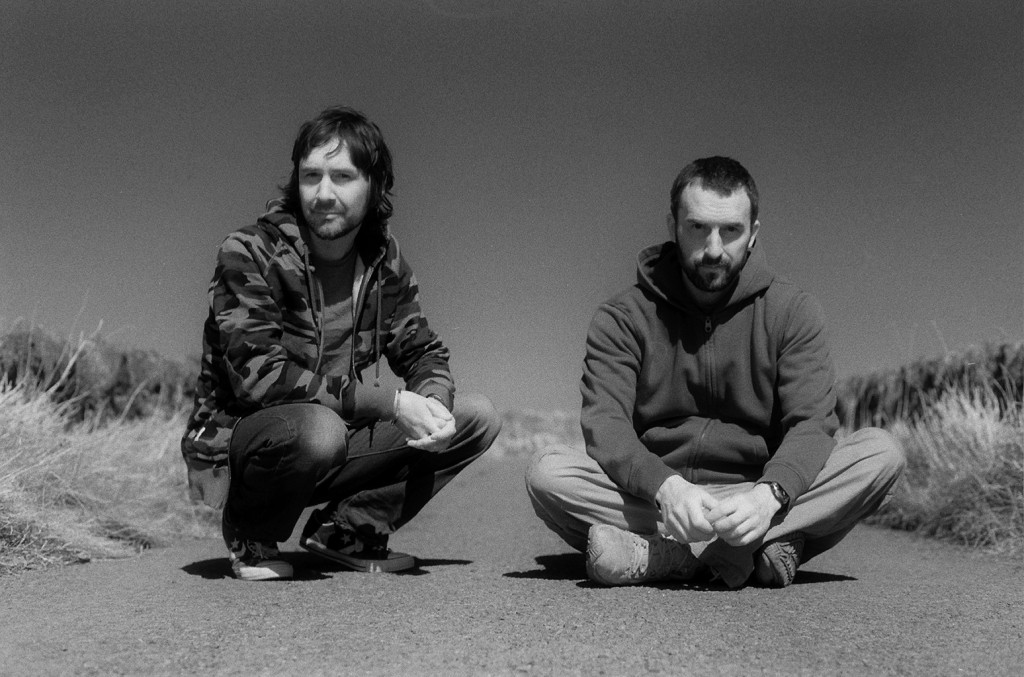
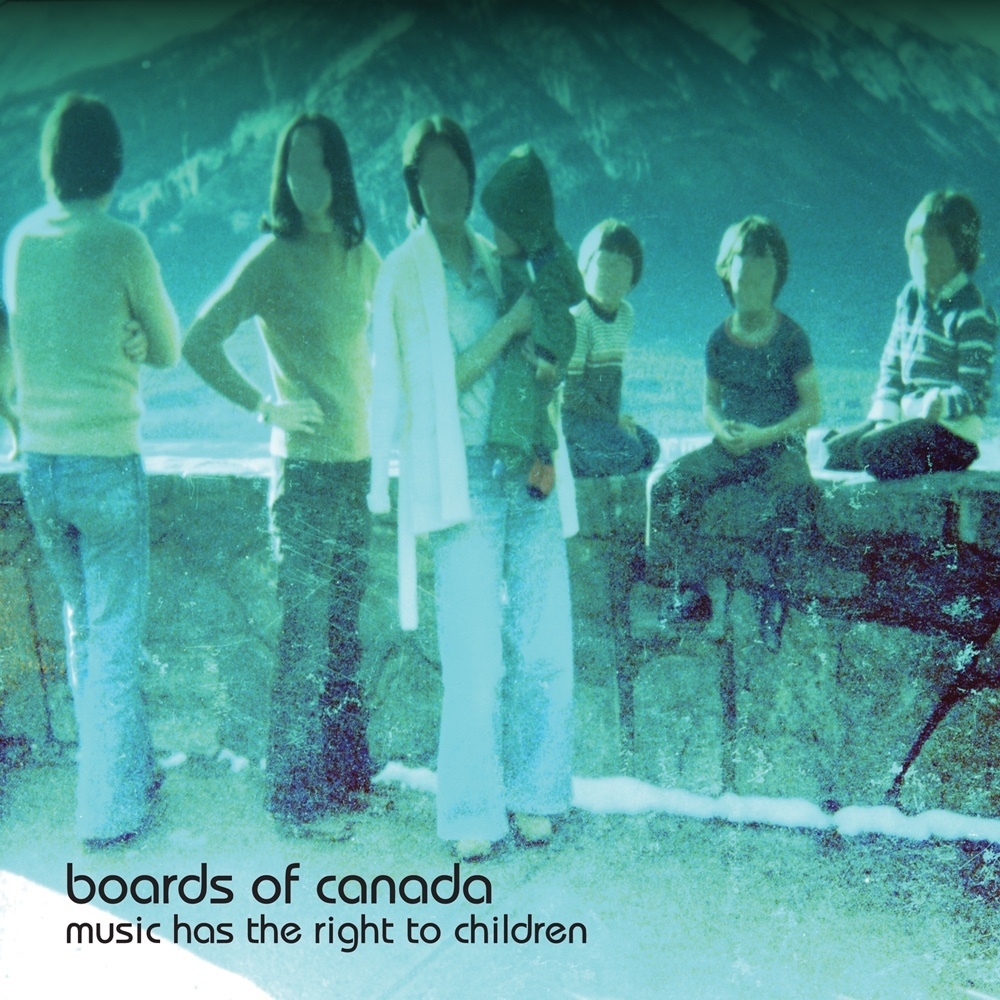
Good Morning to you! I’m Jacob Braybrooke and, well – you know the drill by this point – it’s time for me to get typing up for your weekly revisit of the sounds from the past which have influenced those of the present, because it’s always my day-to-day pleasure to write up about a different piece of music every day! If the name of Boards Of Canada seems familiar to you, you’re either already one of the beloved cult followers of the group who possibly paid $800 to obtain your own copy of their debut ‘Twoism’ EP following it’s release in 1995, since the original distribution was scarcely limited to 100 copies before Warp Records gave it a quiet re-issue in 2002, or you read my previous post about them back in October or November time. Whichever route applies to you – the fact remains that Boards Of Canada are, if not the most well-known in terms of mainstream recognition, still one of the most devotedly followed Electronic music acts of our time. Just for the record, the bandwagon for 1998’s ‘Music Has The Right To Children’ is one that I’ve definitely jumped onto, as I think that it is a truly exceptional record. Made up of the Scottish brother DJ duo of Marcus Eoin and Mike Sandison, BOC represent an interesting flipside for electronic music production practice for me, where the tropes of club music being developed in London or Birmingham are turned on their heads by the brothers originally creating their music with vintage synthesizers and dated samples in a rural community in Scotland, where they have since kept very reclusive from the media, with very little interviews or performances existing. I’ve been delving deep into the back catalog of the brothers over the last two months or so, and so it’s been interesting to see where their formula of nature centric themes and nostalgic qualities started for them. In the typical BOC fanbase fashion, you can check out the fan-made video for ‘Seeya Later’ – taken from their debut EP ‘Twoism’ – created for YouTube by Saint Santiago – below.

Eoin and Sandison took their name from the children’s educational films distributed from The National Film Board Of Canada which they grew up watching at a toddler-level age, and they also pulled off the most, if not one of the most, elaborate ‘Easter Egg’ hunts in the marketing campaign building to the release of their most recent release, 2013’s ‘Tomorrow’s Harvest’. There really is a lot of fascinating information about them out there, which is too lengthy for just a simple blog post, so I would look them up after you’ve read this if that sounds interesting to you, but, for now, it’s back to the matter at hand. ‘Seeya Later’ was originally released by the duo as part of the ‘Twoism’ EP on their own label, Music70, and it later appeared on their ‘Hi-Scores’ EP in 1996 as well, where you can also find earlier versions of a few tracks that later appeared on their aforementioned breakthrough release, MHTRC. Chris Horne, a since lost third BOC member, also contributed to this release. Although not as commonly talked about as ‘Sixtyniner’, I feel that ‘Seeya Later’ still makes for an effective insight into the core formula of BOC’s initial musical practice. The track has a slightly darker vibe to some of MHTRC’s most popular recordings for me. Although not as haunting as the anti-religion nods of ‘Geogaddi’, it sounds like something that you may expect to hear on Aphex Twin’s ‘I Care Because You Do’ all the same. The bassline lightly throbs among the high percussion sounds, with trickling synths that evoke a somewhat unsettling atmosphere. This instrumentation doesn’t fluctuate very much throughout the track, but it remains interesting enough due to the ghostly textures and the intriguing ambience that hold your interest. The melancholic drum beats and the more downtempo influences, like much of BOC’s work, is housed in a driving Hip-Hop breakbeat dressing, which gives it a sense of memorability and pushes the beats forward. I would say that it feels a little bit unfinished, but I think the BOC brothers primarily used the ‘Twoism’ EP as a demo tape to get interest from labels, and so I can forgive the very direct and singular beats being a little exhausting by the end here. Overall, though, it is still a fascinating companion piece to their later work, with less of a child-like feel, more of a dream-like trance. Although it may feel like a sonically incomplete Boards Of Canada, that can make this all the more appealing to seek out.

If you think the BOC are brilliant, you can check out how I initially felt about their music through an early listen of ‘An Eagle Of Your Mind’ from 98’s ‘Music Has The Right To Children’ here: https://onetrackatatime.home.blog/2020/11/03/todays-track-boards-of-canada-an-eagle-in-your-mind-1998/

Thank you for checking out my latest blog post! I’ll be back tomorrow, as per usual, with an in-depth look at a recent track from an emerging Folk/Blues singer-songwriter who, by day, teaches English in Boyle Heights but, after dark, gets busy writing tunes like ‘Swim Test’, which is based on her father who can’t swim, despite living next to the beach for decades. If you really liked what you just read, why not follow the blog to get notified when every new daily post is up and why not like the Facebook page here?: https://www.facebook.com/OneTrackAtATime/

Way Back Wednesdays: Roy Davis Jr. & Peven Everett – “Gabriel (1997 Live Garage Mix)”

There’s as many mixers for Rum, as there are mixes for this classic. Let’s go Way Back!

Top ‘O’ The Morning to you, I’m Jacob Braybrooke and it’s that time of day again where I get typing up for your daily track on the blog, because it’s always my day-to-day pleasure to write up about a different piece of music every day! In terms of the sounds of the past that influenced the present, ‘Gabriel’ might seem like an obvious choice as an instantly recognizable and pretty memorable era-defining classic of the House and Garage scenes of the late-1990’s. It is important to remind ourselves sometimes, however, that a certain tune had got so popular that it crossed over to mainstream success. Originally conceived by Roy Davis Jr of the Chicago House scene, XL Recordings re-released the track in the UK with Peven Everett as a featured artist, since the Garage icon put together the Trumpet and Vocal sections of the track. A classic was born, and numerous different mixes were released of the track – like the ‘Need For Mirrors Bootleg Mix’ and the ‘Scroll Mix’ which crossed the borders between 00’s ‘Chillout’ compilations and live DJ set closers with a diverse appeal to audiences. Artists such as Basement Jaxx, R.I.P. Productions and M-Beat got themselves in on the action with remixes and covers too. The ‘Live Garage Mix’, however, is the version of the track which seemed to gain the widest attention across Europe. In fact, the single reached the #22 position in the UK Singles Chart in 1997. Let’s take a listen to it below.

While hardly a rarity by any major press of the imagination, the ‘Live Garage Mix’ of ‘Gabriel’ arguably found it’s largest attention when the single peaked at #5 on the UK Dance Singles Chart, where it remained in the charts for five weeks running. It’s influence on the Deep House and Electronic Jazz genres still seems to continue through to this day, where the Large Records label released a 12″ vinyl reissue of the single, including four of the different versions, back in 2015 – almost 20 years after the original track was unleashed to the world in 1996. With a deep bassline formed by a bass-heavy two step drum beat and a mid-tempo synth beat, the familiar vocals of Peven Everett riffs on love and spirituality with a smooth tone, singing lines like “Once, love was the focus of the true message” and “He had good news, for those dedicating their lives, to the spirit” with a sultry and soulful mood. The next verse feels a little more interactive, with Everett instructing: “Those that stand aside and watch, The soul moving, grooving” and “Clap your hands, be the one to show your love overflowing” as he continually references the mission of the archangel Gabriel. He also makes the music itself part of the involvement, with lyrics like “If you love music, deep in your soul” and “Just release your soul to the love that’s holding you, that’s consoling you” going for more of a straight-up Chicago house root for the track. A set of sweeping Horn parts litter the rest of the instrumentation, with a sparse Jazz influence that also briefly touches on melodic Rapcore and Neo-Soul in places as well. I’ve never really noticed before, in this record, how the religious connotations feel like a natural commentary on the social impacts of music, and how the experience of being in a club with a diverse group of people can nourish your soul. Meanwhile, the track certainly has a clear cross appeal to lots of different groups of people. It’s up-tempo enough to feel like a Dance record, but the instrumentals also feel relatively stripped back and suited for home listening too, with a deeply Soul-oriented style that also feels a little ethereal. Overall, it’s a 90’s hit that manages to hold up, as it feels developed musically and has a clear message to boot. Gabriel Play!

That’s all for now! Thank you for checking out my latest bog post! I’ll be back tomorrow, as always, as I attempt to clear up some of my backlog with an older, but still pretty recent by all means, track which I perhaps wish that I’d got around to covering a little bit sooner, here on the web. It comes from an infectious Nu-Disco trio who began making music in the sleepy Peak District town of Matlock, and since then, the group have received praise from publications like The Guardian, performed live at the Isle Of Wight Bestival in 2018. They are set to release their debut album, “Power Up”, on March 26th. If you really liked what you just read, why not follow the blog to get notified when every new daily post is up and why not like the Facebook page here?: https://www.facebook.com/OneTrackAtATime/

Way Back Wednesdays: Orbital – “The Naked and The Dead”

On gut reaction, I’d rather be in the former situation than the latter. Let’s go Way Back!

Good Morning to you – my name is Jacob Braybrooke, and it’s time again for me to get typing up for your daily track on the blog, because it is routinely my day-to-day pleasure to write up about a different piece of music every day! I’m pretty suprised that I’ve not covered any of Orbital’s work on the blog before, since the Kentish DJ brother duo of Phil & Paul Hartnoll are very much within my alley of 90’s electronic dance music releases. Yet, here we are – and it’s taken our weekly archive dig to get me there. A lost cut from the “Halycon” EP, which was released in the UK as the “Radiccio” EP here for us in the UK, and in Japan too, “The Naked And The Dead” is one of those deep dives Orbital tunes that time forgot, as is naturally the case with these projects. This EP barely managed to crack the Top 40 of the UK Singles Chart, but “Halycon” is still one of the better known tunes from the Hartnoll brothers, especially in the mainstream, and Orbital remains to be one of the most critically acclaimed groups from the 90’s peak of IDM and Acid Techno music. Known for their improvisational style in live DJ set performances, and the photographs of atomised Orbitals on their cover sleeves, Orbital took their name from the M25 orbital motorway of Greater London, which was central to the early rave scene in the South East during the early days of Acid House music. Let’s check out their deep dive below.

Orbital were mainly active between the very late-80’s and 2004, but they have reunited twice in the 2010’s since, with new albums each time to boot. According to the Hartnoll brothers, this old tune represents: “Consumer goods are tending to lose all use-value. Their nature is to be consumable at all costs”, elaborating on this,”Which is to say: Non-values or empty, fictitious, abstract values, you are no longer as old as you feel, or as new as you look, but as old as what you buy” in the original archives of the EP’s press notes. Touching on consumerist values and adapting lifestyles to fit social stereotypes as contextual themes, “The Naked and The Dead” gives me a somewhat dystopian vibe, because it’s simply one of the heavier releases that I’ve ever heard to come from the creative minds of the two Hartnoll brothers. Struck by an unrelenting Jungle influence, the drum beats sound tribal and the bassline hits a fast tempo. The vocals are a sample taken from Scott Walker’s version of the track “Next”, which, in turn, is a cover version of an old pop tune originally sung by Jacques Brel. The inspiration behind the “Halcyon” EP also revolved around Hartnoll’s mother’s addiction to the drug Triazolam for many years, which is obviously known as Halcion otherwise. This darker variation of tones, especially compared to past Orbital hits like “Chime” and “The Mobius”, feels reflective of that matter. The repeating hook is sporadically layered under a polished Drum sequence, while the Synths give off a viably more strobe lighting-like effect that was a good fit for late-night festival sets. While retaining it’s dance-oriented roots, the layering of the synths and the drums is quite merticulous, with the ethnological drum beats and the trickling Synth sequences replacing old Drill ‘N’ Bass production with the West African-influenced percussion. After the sweat dries, the track likes to keep itself afloat by repeating the opening sequences and incorporating the Scott Walker sample to add a slightly soulful quality. It would ware a bit thin by the end of the long 12 minute remix also found on the EP, but it works for the short version. It wouldn’t be classed as one of their greatest hits, but it’s worth a tad more recognition than it gets.

And… we’re back in the present! Join me tomorrow, where I’ll be contrasting these ancient throwbacks with some brand new music that I’ve recently discovered through the Bandcamp app. Join me again then – for an in-depth look at a single from the sophomore album to come from a Danish indie Post-Punk Revival band, who have just released the new LP on Fat Possum Records. Boasting a decade of experience, the 21-year-old frontman has previously been a part of his local indie rock band Cola Freaks, and has ran two indie music labels under his wing – Shordwood and 100 Records. If you really liked what you just read, why not follow the blog to get notified when every new daily post is up and why not like the Facebook page here?: https://www.facebook.com/OneTrackAtATime/

Scuzz Sundays: HIM – “Buried Alive By Love”

It’s the day of St. Valentine, and for raising awareness of singledom. It’s Scuzz Sunday!

Happy Valentine’s Day – even if I don’t celebrate it. The truth hurts – but my truth is that it’s my day-to-day pleasure to write up about a different piece of music every day! It’s time for a new entry in our Scuzz Sundays series – where we revisit a classic from the Emo-Rock and Pop-Punk era’s of the late-90’s through to the mid-00’s, to see if there’s still quality to be found within them in the new age. This week’s pick is loosely based around today’s minor holiday, even though I would moan and complain that I’m a firm believer that, if you love someone, you should do things to show that EVERYDAY, and not just a one-off Sunday in February. Load of nonsense. Anyway, now I digress. HIM were a very successful Nu-Metal band in the 90’s who originated from Finland. “Love Metal” was probably their best-known record, but “Razorblade Romance” achieved platinum album sales, and “Deep Shadows and Brilliant Heights” reached the top ten of the album charts in several countries too, with each of the recordings getting strong sales and decent reviews particularly in European territories. They had a few ups-and-down’s in the way of reunions and lineup changes, but they officially remained active until 2017 in some capacity, where they finished off their farewell tour with a final set on New Year’s Day at the Helldone festival. Even now, the group remains to be one of the most commercially successful Finnish metal bands of all time, and they have also won eight Emma Awards. “Buried Alive By Love” was the second single from their fourth LP, “Love Metal”, and it reached #30 in the UK Singles Chart in 2003. Let’s fully cremate our fears with the track below.

Interestingly enough – the character who you see in the old-fashioned music video was played by actress and singer Juliette Lewis, who was one of Hollywood’s “It” girls in the 90’s, and Lewis played the role of Mrs. Audrey Griswald in National Lampoon’s Christmas Vacation in 1989. If that wasn’t enough, the video was also directed by Bam Margera of Jacksass fame, who also produced the official videos for another single, “The Sacrament”, from the same album. The pacing is fast and the guitar melodies are sharp from the very offset, with a hazy line of synth beats drowning out the distorted guitars when the opening verse comes in. Vocalist Ville Vallo sings about love being a source of rescue for a dark path that our narrator is treading down, as he recites the likes of “To cry is to know that you’re alive, But my river of tears has run dry” and “The kiss of vanity blessed me with a spiritual murder, And fed the gods of war insatiable” over the top of crisp drum beats and the strongly hook-based bridges of the track. The chorus has a sweeping and choral quality, with Vallo singing lines like “A cold heart is a dead heart, and it feels like I’ve been buried alive by love” and “If I wake before I die, rescue me with your smile” above the seemingly endless riffing of the bass guitar chords and the reliance on the drums to complement Vallo’s cinematic, wide-eyed vocals. The samples and the synths are a second thought, and the sudden changes in mood sell a very anthemic style. There’s a lot of production value here, and it’s clear that quite a sum of cash was raked in to make this project. That said, the songwriting is fine – if not defying many tropes or conventions of the genre – since there’s still smooth transitions between each section, and the large pop hooks of the chorus are left to have a nice impact. Though it does sound pretty commercial, the vocal performance is decent and I can picture the track being used in a geeky action video game-like flick such as Scott Pilgrim vs. The World. Overall, it’s not unentertaining or unenjoyable, although it’s not the most organic sounding track that you’d probably hear all week. It is decent, however, with good effort put into the production of the track and a solid vocal performance from Vallo to complement the fast instrumentation. Quite generic, but there’s enough talent to make it worthwhile.

That’s all for now – I hope you have an enjoyable Sunday in whichever way that you choose to spend it. We’ll be kicking off a new week’s worth of posts on the blog tomorrow – starting off with an in-depth look at a Canadian R&B project who shares his name with a type of environmentally friendly bread – albeit a different spelling – and was shortlisted for the Polaris Music Prize in 2013 for their debut album released via Innovative Leisure. If you really liked what you just read, why not follow the blog to get notified when every new daily post is up and why not like the Facebook page here?: https://www.facebook.com/OneTrackAtATime/

Way Back Wednesdays: Bibio – “Cantaloup Carousel”

Over two decades on, is there still fun to be had at this fairground? Let’s go Way Back!

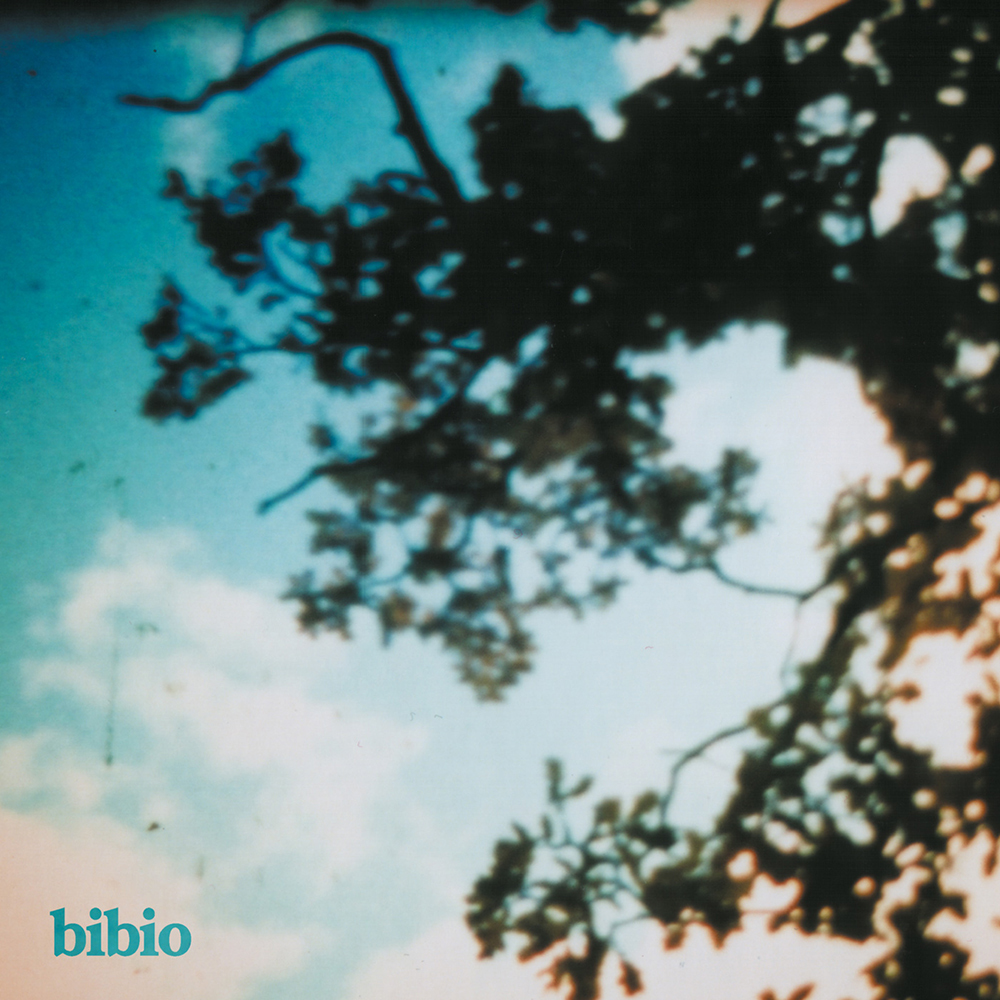
Good Morning to you! My name is Jacob Braybrooke, and it’s time for me to get typing up your weekly pre-00’s throwback as we do right here on Wednesdays, because it’s routinely my day-to-day pleasure to write up about a different piece of music every day! “Cantaloup Carousel” was released in 1999, and so it only just falls before the deadline of our Wednesday flashbacks, but I’m counting it. After all, I’m the one writing this. You’re not going to report me to the music police, are you (Or those little boycott gremlins who hang around on websites like Metacritic) I hope not. Anyways, this track is thought to be the first music recording to ever be produced by Bibio (aka English folktronica multi-instrumentalist Stephen James Wilkinson), which eventually landed a spot on the track listing of his debut album, “Fi”. At the time of the late-90’s, Bibio produced the track in his prison ce… (I mean, bedroom) of his university halls of residence in Wood Green, North London – using just a budget sampler, a casette desk and a “cheap plastic microphone” in his own words. Later re-released on his first solo album in 2005, on his self-release label Mute Records, the album was later re-issued and digitally remastered on vinyl by his current label, Warp Records, in 2015, to mark 10 years since the original release. It received mixed to positive reviews from critics at the time, and Bibio has later become known to expand his influences by tapping into sub-genres like Instrumental Hip-Hop, Alternative R&B, Neo-Soul and Indietronica in the years since. Now a very prolific artist, let’s cast our minds to his beginnings below.

“My approach back then was trying to make layered guitar compositions”, Bibio said on Fi’s reissue, “but the lack of professional recording equipment (or know-how) led to this lo-fi sound – a sound which started to feel like a signature and one I started to feel quite excited about”, before ending on, “It’s such a great feeling to see this album finally come out on Warp 10 years after it’s initial release. My younger self would have been blown away”, when talking about the album’s restoration. It’s evident that Bibio was interested in creating a sound of his own to build upon, but there’s still a playful and subversive edge to the character of this release. The style feels very well-rounded, very smooth and quite minimalist. There’s no vocals being recorded by Bibio for this offering, and the narrative arc of-sorts is instead being led by a piano piece. There’s also a light acoustic guitar strum that repeats throughout the duration of the track, along with some deceptively simple four-chord riffs and a very subtle Synth line that lurks in the background. The most striking element of the track is probably the toy-box like quality of the acoustic instrumentation. The simple and cheerful guitar melodies feel unaltered and child-like, and untouched by any artifice whatsoever. It also gives off a theme of nature and forests, with basic production practices that make me picture playing outside with my friends as a small child, and having a joyful time out of that. It doesn’t feel hugely electronic at all, but the time signatures are constantly peaking and retreating, followed by a leading guitar beat that alternates through this soundscape of speed alterations. It allows room for slight adjustments to the tedious melodies, creating a warm and absorbing atmosphere. It was produced with a very low-budget, and the technology obviously feels dated now. However, it’s an interesting entry point into the work of Bibio for newcomers. It’s true that there’s a limited bag of tricks here, and the feel of invention may be lost underneath the hypnotic effects, but the simplicity allows Bibio to experiment to the full, and it undeniably gave him a platform in which to fully firm-up his inspirations together. Overall, despite its sense of dated-ness and being possibly too tedious for some listeners, it holds up pretty well as the solid jump-off point it would prove to be.

You can take a breather now – that’s all I have got for you today! Regular service resumes again tomorrow, as you would probably expect, and I’ve got some brand new music to share with you then. Tomorrow’s track is an excellent new piece recorded by an emerging 21-year-old Indie-Pop and “Bedroom Pop” singer-songwriter who has recently gained traction on social media and streaming platforms since the release of her debut EP in 2018. So far, her latest track – about an intergalactic crush – has amassed over 10 million streams, and landed a spot on Billboard’s Hot Rock & Alternative Charts in the US. If you really liked what you just read, why not follow the blog to get notified when every new daily post is up and why not like the Facebook page here?: https://www.facebook.com/OneTrackAtATime/

Scuzz Sundays: Coal Chamber – “Loco”

A bizarre delight, or nothing but a lump of Coal in St. Nick’s sack? It’s Scuzz Sunday…

Well, here’s another addition to the Lunacy series. It’s Scuzz Sunday – and that means it’s the time of the week where I – Jacob Braybrooke – dig out an ancient relic from the Emo-Rock and Pop-Punk genres between the late 1990’s to the mid 2000’s, to see if they can hold up to quality and value in the current climate – because it’s always my day-to-day pleasure to write up about a different piece of music every day! We’ve been riding up a stream of surprisingly decent old Nu-Metal singles over the past few weeks – and Coal Chamber were another group of that same ilk. Formed by Dez Fafara in Los Angeles, California during 1993, the band have had a very on-and-off creative relationship, with the band active from 1993 – 2003, and reuniting from 2011 to 2016, and disbanding again in 2018. Although I wouldn’t say they became a household name like Korn, Evanescence or Nightwish did – their first album still performed very well. Despite some brutal reviews, their self-titled debut LP – released in 1997 via Roadrunner Records – has been certified as Gold in US sales by the RIAA with figures above 500,000 units sold. It was also numbered at #15 on Kerrang’s list of “The 21 Greatest Nu-Metal Albums Of All-Time”, and each of the singles were compiled onto a Greatest Hits album that was issued in 2004. The co-founders, Fafara and Meegs Rascón, would also find moderate success in side projects. Strangely, Ozzy Osbourne used the music video for “Loco” as a starring vehicle. Take a gander below.

Just to clear a few things up, I can inform you that I’m writing this post just before I got to Church like I do on a Sunday morning and, when you come to think of it, I can’t say this is a very appropriate type of art form to be consuming just before that scenario, but, you know, when there’s a job – it needs doing. The band’s primary influences included The Cure, Metallica and Jane’s Addiction. “Loco” shows a few spades of these ideas – both visually and lyrically – but it’s mostly known for it’s two-note guitar riff. A sweeping and dramatic opening riff leads to the mosh-pit drawing refrain of “Pull” as the bass guitars start to chug along. Lines like “Steamroller rollin’ through my haid said/Attached to Loco, Power up Coal” are delivered in a low-pitch grumble, that sells qualities of rage and darkness. The chorus is relatively basic, with “Mi Loco” being repeated over the top of a brooding and whammy-assisted lead guitar melody. A slight breakdown comes near the two-thirds mark, as a hazing line of washing riffs and a slowed vocal delivery, before the dark riffs settle back into their mid-tempo focus again. The chorus can get a little annoying and it lacks substance, but there’s a doofy and not-so serious feeling to the tune that are charmingly endearing. All of the usual tropes of the Nu-Metal genre are here, with slight rap inflictions being created by the slightly melodic nature of the growling, and some guitar riffs that just chug along at a rhythmic pace, as you would expect. The guitar riffs, while not inherently bad, come across as rather dull and uninteresting to me, however. While Nu-Metal music often thrived on the very slight melodicism to the dark toned instrumentation, they weren’t exactly energetic – and “Loco” sadly didn’t manage to pull any of those moves while doing anything interesting. Although I’ve heard worse, ” Loco” fails because of it’s lack of substance, and much of the track just felt “off” to me – with attempts of humor that don’t spark an effortless feeling. In other words, it’s just trying a little too hard, and it felt too abstract. It’s more of an awareness from a band whose music they knew were only filling a gap in the market.

They can’t all be good! Scuzz Sundays is scheduled to be back at roughly the same time, but on the same day, next week. Until then, we’re going to be kicking off another week of new posts tomorrow. The week stars off with relatively fresh Hip-Hop from a British-Gambian producer who gained exposure from BBC Radio 1, 1Xtra and 6Music for his debut album, “Take Me To Coventry”, which got to the Top 40 of the UK Albums Chart. He is known for his use of Afrobeat and Drill elements in his Grime music, and his debut single “Frontline” was the most-played track on 1Xtra in 2020. If you really liked what you just read, why not follow the blog to get notified when every new daily post is up and why not like the Facebook page here?: https://www.facebook.com/OneTrackAtATime/